

Overview

Extreme weather is not theoretical

Structural performance is not proven in design models. It's proven in the field.

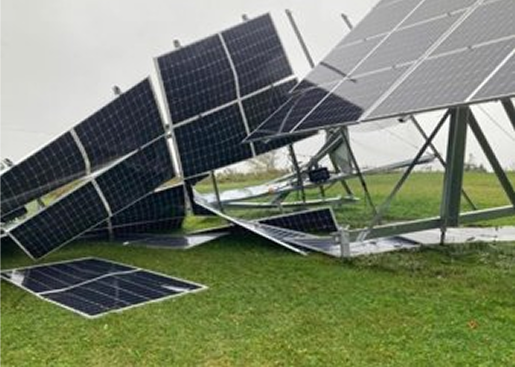
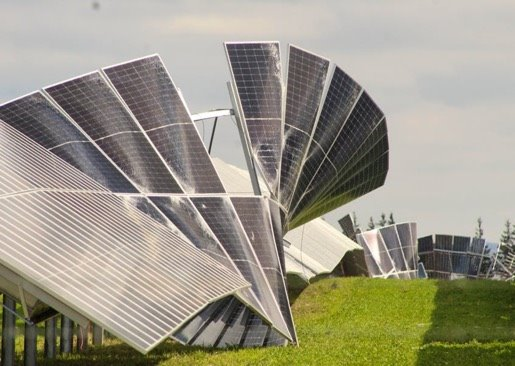
When Hurricane Fiona made landfall in Atlantic Canada, it caused widespread infrastructure damage, including solar installations.

Reports from nearby systems indicated:
 

In some cases, entire rows were compromised.

Extreme weather events are increasing in frequency and intensity. Design assumptions that worked under moderate conditions are now being tested — and in many cases, failing.

Polar Racking Systems

Our Competitors

Environmental Event

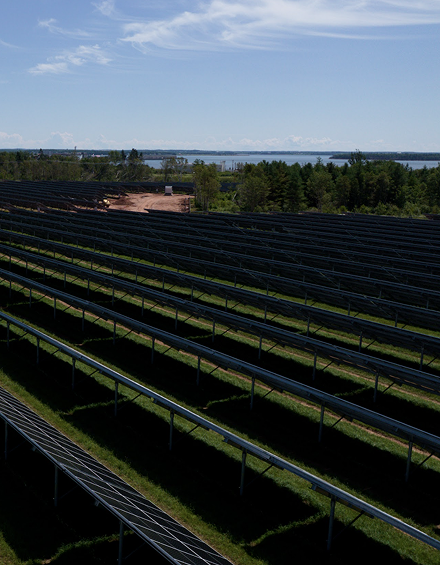
Hurricane Fiona

Location

Summerside

System Type

CORE Fixed-Tilt

Foundation

Helical Piles

The Observation

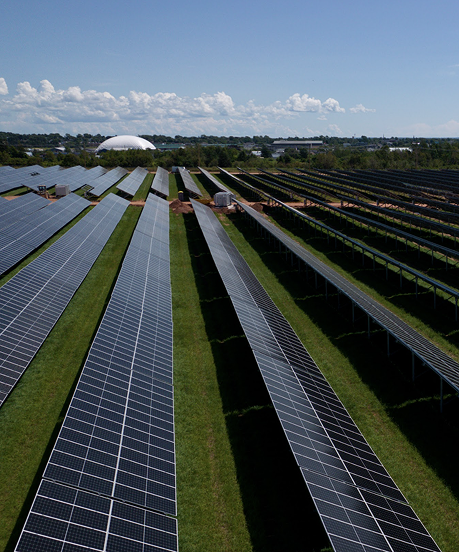
Polar Racking systems in the same region remained intact

Built to last.

Polar Racking foundations and  its CORE Fixed-Tilt system, are engineered specifically for harsh climates and changing weather conditions. 

- No widespread structural failure.

- No cascading collapse across rows.

The Lesson

Why Polar Racking Performed Differently

Polar systems are engineered to:

This is not a new concept. It is a design philosophy applied consistently over time.

Why it matters

Why Other Systems Failed

Most conventional systems rely on:

- Torque tube-driven load transfer

- Continuous structural rigidity

Under extreme wind conditions, this creates:
 
  • Load concentration at critical points
  • Progressive failure once a threshold is exceeded

When one section fails, the rest often follows.  Polar Racking systems are engineered for:

 
  • Real terrain
  • Real loads
  • Real weather
Not ideal conditions.

Client Successes

Recent Project
Wins